Experts warn patients to check packaging, pen and barcode before use
Fake Mounjaro racket raises concern, doctor explains how to identify a genuine injection
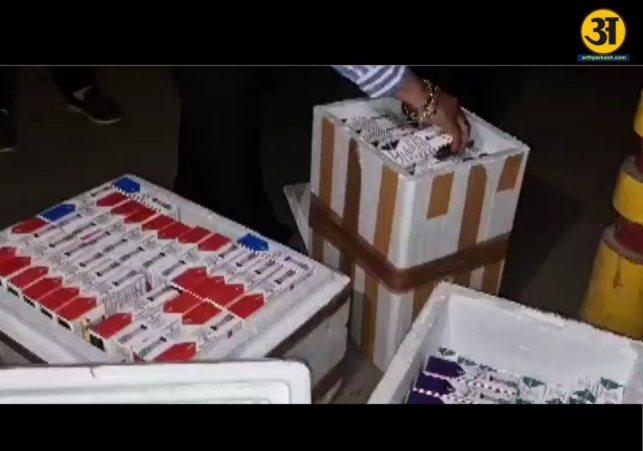
The recent busting of a fake Mounjaro racket in Gurugram has created serious concern among doctors and patients. Mounjaro is a medicine used for the treatment of type 2 diabetes and obesity. Because demand for the drug has grown quickly, fake versions are now entering the market, creating major health risks.
Health experts say counterfeit medicines are not just a financial scam. They can be dangerous because patients inject these products directly into the body. If the medicine is fake, contaminated, or wrongly prepared, it may lead to treatment failure or severe illness.
Reports suggest some fake injections were made in unsafe domestic conditions by mixing raw material with water. This has raised fresh questions about medicine safety and how patients can protect themselves.
Dr Soma Srinivas, Consultant Endocrinologist at Gleneagles Hospital, Hyderabad, says growing demand and supply shortages often create opportunities for counterfeit sellers. When genuine stock is hard to find, some patients may turn to unverified sources.
Doctors strongly advise patients to buy such medicines only through licensed pharmacies and only with a valid prescription. Weight-loss and diabetes medicines should never be purchased casually through unknown online sellers or social media contacts.
Mounjaro contains tirzepatide and is used under medical supervision. Since it is an injectable medicine, product quality is extremely important. Even a small problem in storage or manufacturing can affect safety.
Why fake injections are dangerous
Many people think fake medicines simply do not work. But experts say the risks can be much more serious. If a counterfeit injection contains no active ingredient, blood sugar may remain uncontrolled in diabetic patients. If it contains the wrong amount, results may become unpredictable.
For people using it for obesity treatment, fake injections may show no weight-loss benefit. This can delay proper care and worsen health conditions linked to obesity, such as high blood pressure or insulin resistance.
The bigger danger is contamination. Unsafe liquids can cause redness, swelling, pain, infection, abscess formation, fever, or severe reactions after injection. In serious cases, contaminated products may even lead to sepsis, a life-threatening body-wide infection.
Another hidden risk is loss of trust. If a fake product fails, patients may wrongly believe the real medicine does not work. This can stop them from seeking genuine treatment.
Doctors say medicines that are injected carry extra risk because they bypass many natural body defenses. That is why authenticity matters so much.
Patients should also understand that storage conditions are critical. Many injectable medicines need refrigeration. If stored incorrectly, even a genuine product may lose quality.
Anyone experiencing unusual symptoms after using an injection should contact a doctor immediately. Signs such as severe nausea, fever, swelling, rash, difficulty breathing, or worsening sugar levels need urgent medical attention.
ALSO READ: Iran calls Pakistan PM after US seizes cargo ship near Hormuz amid rising tensions
ALSO READ: US and Iran likely to hold second round of talks in Pakistan on Monday: Report
How to check if your Mounjaro is real
Experts say the first step is to examine the packaging carefully. Genuine products usually have clean printing, clear labels, proper spelling, sharp logos, and high-quality boxes. If the font looks strange, text is blurred, or spelling errors appear, it should raise suspicion.
Check the storage instructions on the box. Authentic products generally mention correct temperature guidance, often refrigeration between 2°C and 8°C. Missing or incorrect storage details can be a warning sign.
Next, inspect the injection pen itself. A genuine Mounjaro pen is prefilled and professionally sealed. The liquid inside should usually appear clear or slightly yellow. If it looks cloudy, pink, dirty, or contains particles, do not use it.
The pen design and colour coding should match official manufacturer descriptions. Fake products may copy the outer look but often miss small details. Buttons, labels, dose markings, or cap quality may appear unusual.
Another important step is checking the barcode. Genuine packs often include a unique 2D barcode or serial code. Patients can scan or verify this using official manufacturer channels if available. This is one of the most reliable ways to confirm authenticity.
Always check expiry date, batch number, and seal condition. If the seal is broken or tampered with, avoid use.
Where you buy the medicine matters greatly. Purchase only from licensed pharmacies, hospitals, or trusted medical suppliers. Ask for a bill or invoice every time. This creates a purchase record and improves accountability.
Be cautious of offers that seem too cheap. If someone sells Mounjaro far below market price, claims “special imported stock,” or offers it without prescription, these are major warning signs.
Doctors also warn patients not to trust social media sellers or messaging app dealers. Many fake medicine scams begin through informal contacts.
There is currently no approved cheap “generic Mounjaro” in many markets. So any seller using that claim should be treated with caution.
If something feels wrong about the box, pen, liquid, source, or price, do not inject it. Keep the product aside and contact the pharmacist, manufacturer helpline, or health authorities.
Patients already using Mounjaro should stay in touch with their doctor for regular monitoring. Sudden lack of results, strange side effects, or unexplained sugar changes may need investigation.
The Gurugram case is a reminder that rising demand for popular medicines can attract criminals. But patients can reduce risk through simple steps: buy from trusted sources, inspect the product carefully, and never ignore suspicious signs.
When it comes to medicines injected into the body, safety must come first. If there is doubt, it is always better to stop and verify than to take the risk.
Related News